The soil doesthe work.
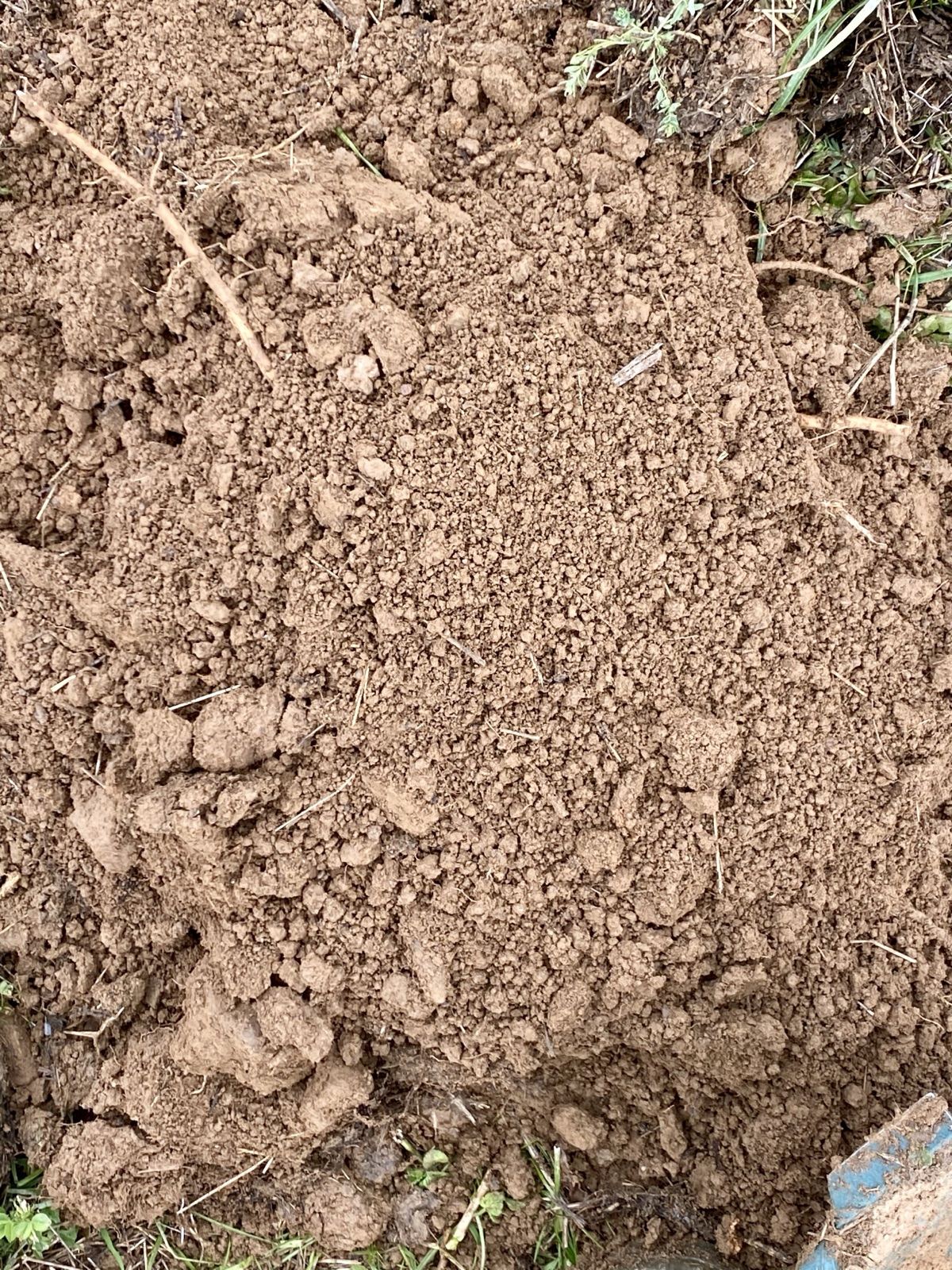
Bacteriosol is not a dressing and not a feed. It is the living biology that builds soil, put back into ground that has lost it. Here is what it is, what it does, and exactly how it goes on.
What it is
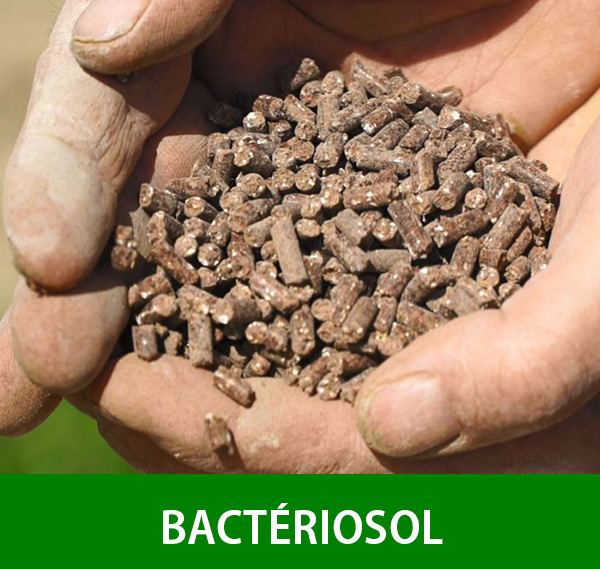
Bacteriosol is a biological soil inoculant made by SOBAC in Aveyron, France. It carries more than 28,000 different DNA strains of micro-organisms, the naturally occurring composting bacteria and fungi found in healthy soil and good compost, on a base of composted plant matter and minerals. Nothing in it is engineered. It is non-toxic and it is handled like any granular product: keep it dry, keep the bag sealed until you spread it.
It is not a fertiliser, because it is not there to supply nutrients. It is not a biostimulant, because it does not stimulate biology the soil already has. It introduces living organisms that were missing, and they establish and multiply.
Three zones, one result
The organisms work at three depths, and between them they build the thing every groundsman wants and cannot buy in a bag: open, crumbly, deep rooted soil.
At the surface
Organisms that take carbon and nitrogen straight from the air. This is where the organic matter that everything else works on starts to be made.
In the topsoil
Organisms that turn thatch, clippings and old root into humus. Humus binds on to clay to form crumbs, the clay humus complex, and crumbs are what let water and air in.
Around the roots
Organisms in partnership with the roots. They free up phosphate and potash that is already in the soil but locked away, and the roots grow down to meet them.
The application rules
These come from the Bacteriosol application manual. Follow them and the biology establishes. Skip them and it may not.
| Rate | 500 kg per hectare, once a year. That is one pallet per hectare, or one pallet per full size pitch. |
|---|---|
| Pack | 25 kg bags, 20 to a pallet. |
| Equipment | Any standard fertiliser spreader, pedestrian or tractor mounted, calibrated for a granule of this size. No specialist kit. |
| Timing | Early autumn or spring, while the soil is warm enough for the organisms to establish: SOBAC advises a soil temperature above 12°C for turf. Early autumn gives the humus builders the longest run before the next season. For pitches, the end of season renovation is a natural window. |
| The four week window | No synthetic inputs for two weeks before and two weeks after: no nitrogen, phosphate or potash fertiliser, no lime, no fungicide, herbicide or pesticide. They damage the organisms while they are establishing. |
| Rain | Best applied with light to moderate rain forecast within 24 to 48 hours. Avoid a downpour that would wash granules off the surface. |
| Sward height | Short. The granules must reach the soil surface, so mow first. If you are aerating or scarifying, spread straight after while the surface is open. |
| Storage | Cool, dry, out of the sun, sealed until use. It is alive. |
| Record | Date and area treated. It fixes the input free window and gives the comparison its start line. |
What to expect, and when
Biology builds. It does not switch on.
First season
The biology establishes and the first gains are below the surface, where a core shows them: root depth and density, and how fast a ring of water goes in.
Second season
Structure opens through the topsoil and a pit shows it. Wet and dry weeks move the surface less. Recovery between fixtures shortens.
Third season and on
Humus is built through the profile and the ground holds itself. On established turf the plan takes bought nitrogen down by 40 per cent and sand dressing by half, with no synthetic phosphate or potash. That is the plan that runs on more than 300,000 hectares.
Questions we get asked
What if no rain comes?
It still establishes once moisture reaches the soil, it just takes longer. Hold the synthetic inputs until rain has fallen and two weeks have run from then.
We put a synthetic on by mistake.
Ring us. The biology usually recovers. Run the two week window again from the date of the mistake.
Can I top dress with sand after?
Yes. Sand is not a synthetic input, and a dressing over the granules helps soil contact.
Does it replace aeration?
No. Keep aerating. The biology builds the structure that aeration opens, so the two work together and the relief lasts longer.
Is it safe around horses and players?
It is naturally occurring soil biology on a plant and mineral base, non-toxic and non-pathogenic. Ground can be used as soon as the granules have gone in.
How do I know it is working?
Take cores and time a ring of water going in before you start and at twelve months, on treated and untreated ground. The record sheet comes with the order.
Ready when your window is
Tell us the ground and the area and we will work the order out to the bag.